If you’ve ever lived in a house for more than a few years, you already know this truth: bathroom fittings show their real quality only with time.
On the first day, almost everything looks good. The taps shine, the shower feels smooth, and the bathroom looks perfect. But after two, five, or ten years that’s when you find out whether you made the right choice or not.
Leaks start. Finishes fade. Handles loosen.
And suddenly, a small decision becomes an expensive one.
So if you’re building a home you actually plan to live in, choosing the right bathroom fittings material matters more than most people realize.
Why Material Matters More Than Design
Design catches the eye.
Material decides how long it lasts.
Bathroom fittings deal with water, pressure, heat, and daily use. Cheap materials may survive
for a while, but over time they struggle. Rust, internal damage, and hygiene issues slowly
appear.
That’s why professionals always say:
Don’t choose fittings just for how they look today choose them for how they’ll perform
years from now.
The Materials You’ll See in the Market
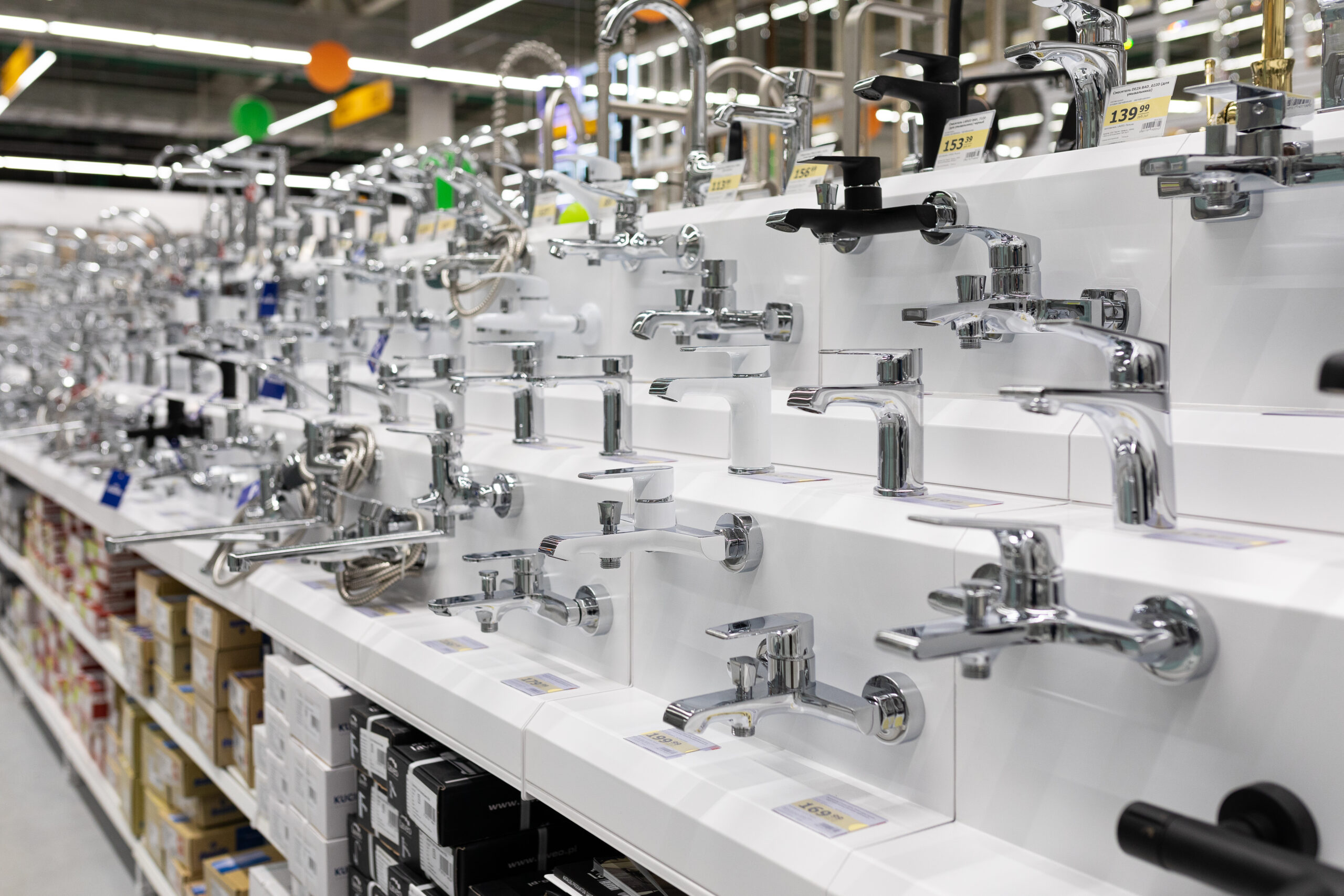
Most bathroom fittings today are made from:
- Plastic
- White metal (alloy-based)
- Stainless steel
- Brass
Each one has a purpose. But not each one is made for long-term home use.
Why Brass Has Earned Its Reputation
Brass isn’t trendy.
It’s trusted.
It’s been used in plumbing for decades because it simply works and keeps working.
1. It Lasts. Really Lasts.
Good-quality brass fittings don’t crack, bend, or weaken easily. Many homeowners use the same brass fittings for 15–20 years or more without major issues.
That kind of reliability is why experienced manufacturers, like SRN Bath Fittings, continue to focus on solid brass instead of shortcuts.
2.Better for Daily Hygiene
Bathrooms are damp spaces. Germs love moisture. Brass naturally resists bacterial growth,
which helps keep frequently touched surfaces cleaner over time.
It’s not something you notice daily but it matters quietly, every day.
3. Fewer Problems Over Time
Brass doesn’t rust like cheaper metals. That means fewer leaks, smoother water flow, and less
internal damage you can’t see.
In simple terms:
less stress, fewer repairs, more peace of mind.
White Metal: Looks Good, Ages Poorly
White metal fittings are popular because they’re affordable and shiny. At first, they feel like a
great deal.
But time is not kind to them.
As the outer coating wears off:
- Moisture reaches the inner metal
- Corrosion begins
- Strength and hygiene reduce
They’re fine for short-term setups or rentals, but for a home you plan to grow old in, they often
disappoint.
What About Stainless Steel or Plastic?
Stainless steel can be durable, but quality varies a lot. Good stainless steel fittings can be expensive, and cheaper ones don’t always perform well.
Plastic fittings are affordable, but they’re not built for years of daily pressure and use.
For long-term living, both usually fall short compared to brass.
What Really Matters When Choosing Bathroom Fittings
Forget marketing claims for a moment. Ask yourself:
- Does it feel solid in hand?
- Is the internal material strong, not just the finish?
- Will it handle hard water and daily use?
- Is the brand known for quality, not shortcuts?
Brands like SRN Bath Fittings earn trust not through loud advertising, but by focusing on what
homeowners actually experience years later.
The Honest Answer
If you want a home that ages well without constant repairs, brass is the best bathroom
fittings material for long-term home use.
It’s not about luxury.
It’s about choosing once and choosing right.
People who invest in good brass fittings rarely talk about them again because they don’t have
to.
And honestly, that’s exactly how bathroom fittings should be.